In contemporary politics, public engagement often outweighs governance. Leaders around the world increasingly rely on manufactured populism: carefully constructed narratives of external threat, nationalism, or moral duty to mobilise support. Unlike traditional populism, which may focus on economic inequality or domestic grievances, manufactured populism often creates or exaggerates external crises to rally citizens behind the state, deflect attention from internal failings, and legitimize extreme measures. In an era of instant news and social media amplification, manufactured populism is increasingly relevant, shaping public perception and influencing both domestic policy and international relations. Understanding these dynamics is crucial for discerning genuine security concerns from political manipulation.
The Mechanics of Manufactured Populism
The “rally-around-the-flag” effect is a well- documented political phenomenon: when a country perceives a threat from an external actor, public support for incumbent leadership temporarily increases. Governments exploit this tendency by emphasising, inflating, or even inventing threats, while framing themselves as the nation’s primary defenders. The effect is twofold:
- Distraction from internal flaws: Economic stagnation, corruption, social unrest, or political inefficiency are side-lined as public attention is consumed by the external threat narrative.
- Consolidation of power: Leaders justify militarisation, surveillance, media control, and other extraordinary measures, often with minimal resistance.
Observing Manufactured Threats
Certain threats receive disproportionate media and political attention while comparable events are ignored. Crises or escalations often coincide with periods when governments seek support or need to distract from domestic issues. Intelligence reports, independent monitoring, and historical context reveal that perceived threats are smaller or less imminent than claimed. Threat narratives coincide with political gains, justifying policy changes, militarisation, or popular support that would otherwise be difficult to achieve. These criteria allow one to distinguish between genuine security crises and strategically manufactured populism, showing how fear and nationalism can be deployed as tools of political management.
Turkey provides a clear illustration of manufactured populism in practice. Over the past decade, the government has repeatedly amplified threats from Kurdish insurgent groups, border instability, and regional conflicts in Syria. These narratives are highly selective: reports of insurgent activity are often highlighted in state- aligned media, while periods of calm or successful negotiations are largely ignored. Military operations such as the 2018 Afrin offensive were framed as existential campaigns against terrorism, rallying public support amid domestic economic difficulties, rising unemployment, and political dissent. While genuine security concerns existed, the scale, timing, and presentation of these threats suggest a deliberate emphasis on mobilising nationalist sentiment. Independent observers noted that media coverage consistently framed these operations in moral and existential terms, rarely questioning necessity or proportionality.
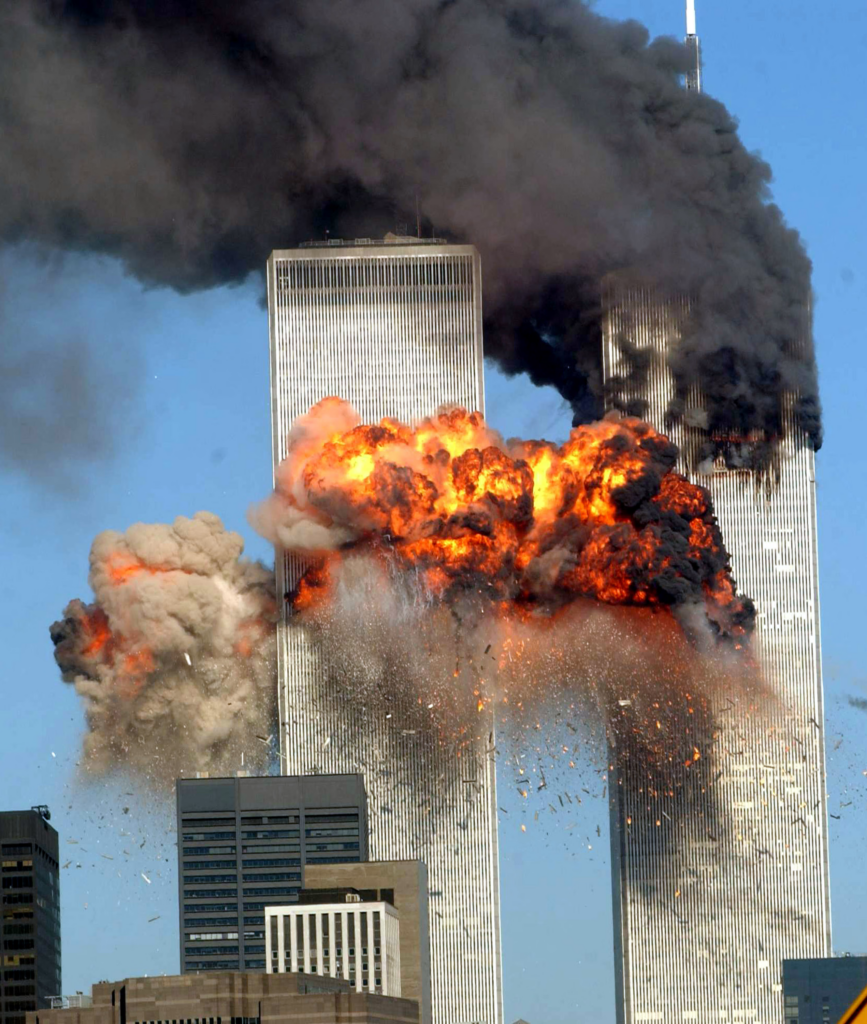
While Turkey illustrates a regional application, the 2003 U.S. invasion of Iraq exemplifies manufactured populism on a global scale. The Bush administration repeatedly warned of imminent threats from weapons of mass destruction (WMDs), despite intelligence that was incomplete or inconclusive. The threat narrative served multiple purposes: it created a rally- around-the-flag effect post-9/11, diverted attention from domestic policy challenges, and justified an unprecedented military intervention. Subsequent investigations revealed that the WMD threat was exaggerated, and much of the public messaging relied on selective intelligence and media amplification. Analysts could identify the manufactured elements by comparing internal government reports, diplomatic cables, and independent inspections, highlighting a clear divergence between rhetoric and reality.
While the U.S. illustrates how manufactured threats can be used in democratic contexts, authoritarian states like Russia demonstrate a similar strategy with both domestic and regional audiences. Leading up to elections and during periods of internal dissatisfaction, the Kremlin has repeatedly emphasised threats from NATO expansion, hostile Western policies, and the need to protect Russian-speaking populations abroad. Military posturing in Crimea and eastern Ukraine, combined with state-controlled media campaigns, amplifies the sense of existential threat. Independent monitoring often shows a mismatch between the intensity of rhetoric and on-the-ground military or diplomatic developments. Analysts interpret this discrepancy as indicative of narrative construction rather than purely reactive security measures. The result is a domestic rallying effect: citizens perceive the leadership as defending national interests, while internal economic or political weaknesses are temporarily overshadowed.
Manufactured populism and the rallying effect demonstrate a subtle but powerful manipulation of public perception. By exaggerating external threats, states can divert attention from internal flaws, mobilise support, and legitimize extreme measures, whether through military action, surveillance, or media control. From Turkey’s conflict narratives and U.S. intervention in Iraq to Russia’s nationalist campaigns, the pattern is consistent: fear becomes a political instrument, shaping both domestic and international politics