(The Elusive Dance of Light and Life)
There is a profound contradiction at the heart of every shadow that has ever stretched across the earth.
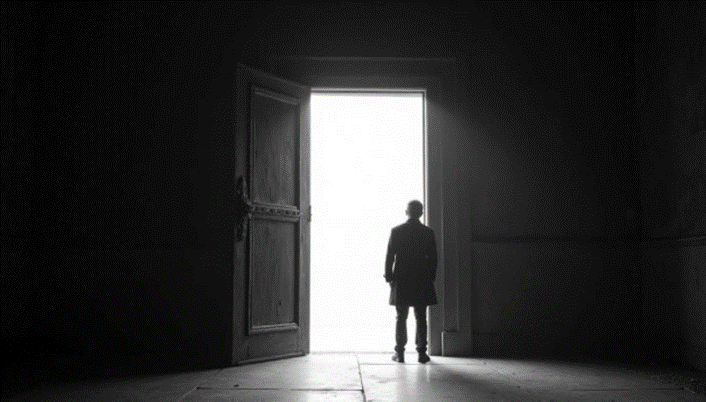
A shadow, by its very nature, proves the existence of light. It is the silhouette cast by illumination, and is the darkness that cannot exist without brilliance. Yet, the moment light becomes too direct or too absolute, the shadow begins to fade.
This is the central paradox that has captivated philosophers across millennia: that which gives us definition may also, in its fullest expression, erase us.
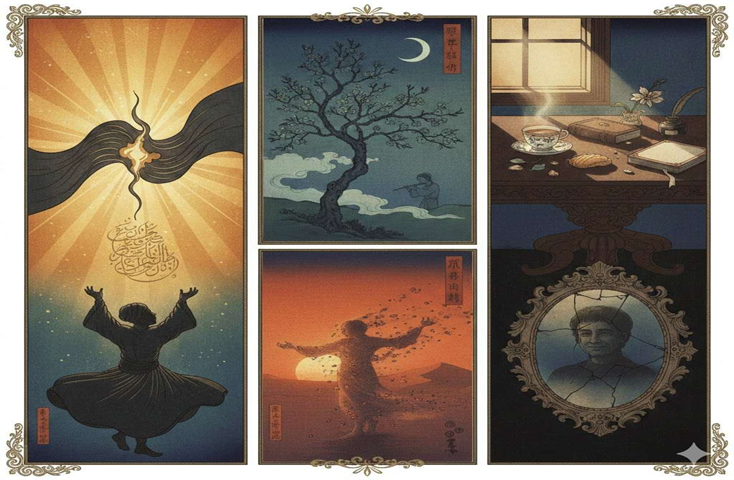
The Japanese have a word for this: yūgen: the subtle profundity of things, the dim beauty like the faint sound of a flute disappearing into evening mist. A shadow that never fades is merely darkness. But a shadow in the act of fading carries something precious: the knowledge that this moment is passing, and is beautiful because it passes.
“Everyone carries a shadow.” ~ Carl Jung
Jung meant this not as a metaphor, but as a psychological truth. Each of us trails a dark twin: the parts we’ve hidden, denied, or never allowed to grow.
The poet Robert Bly imagined that we all carry an invisible bag from childhood, stuffing into it every piece of ourselves that the world deemed unacceptable: our fears, our wildness, and our tender hopes. By midlife, the bag grows heavy. We can either open it and face what’s inside, or drag it forever, wondering why we feel incomplete.
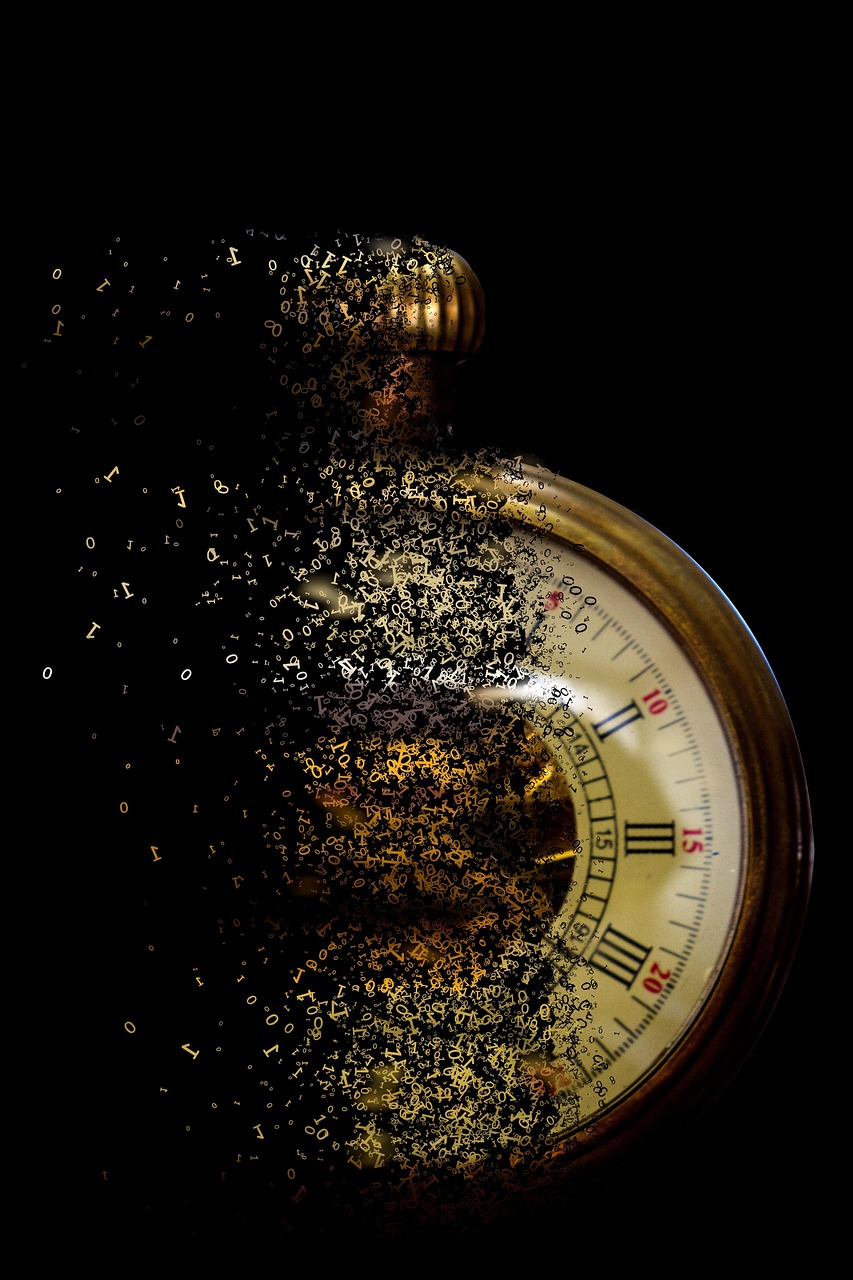
Memory, too, fades like afternoon shadows. Marcel Proust spent his final years trying to capture it. One taste of a madeleine cookie dipped in tea, and suddenly his childhood rose before him; not as a photograph which is fixed and accurate, but as something living, and which is reshaped by longing. We cannot recall the same memory twice. Each remembering transforms what we thought we knew. The past becomes a story we tell ourselves, growing more beautiful and less certain with each telling.
Perhaps this is what mortality asks of us: not to rage against the fading, but to find grace in it. Oscar Wilde dreamed of eternal youth while his portrait aged in secret. But we know better: we are many selves over a lifetime, each version a shadow of the last. Joan Didion wrote that we should “keep on nodding terms with the people we used to be.” The child, the dreamer, the fool— they never truly leave. They wait in the margins, ready to remind us of what we once hoped.
The Sufi mystics speak of fanā: the dissolution of the self into something greater.
The 13th-century poet Ibn Arabi wrote that existence is like “a shadow cast by the real,” passing swiftly across the sand.
We reach for permanence, but what we hold slips through our fingers like afternoon light. And perhaps this is the secret: meaning does not require permanence. A moment need not last to be real. Love need not be eternal to be true.
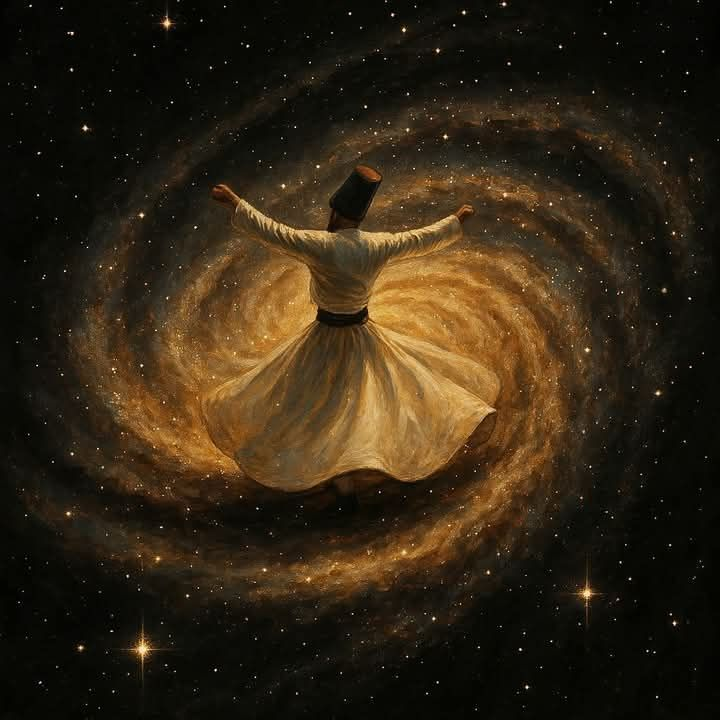
We are all fading shadows, brief silhouettes cast by a light we did not create. The question is not whether we fade, but how we inhabit our brief distinctness.
Do we run from the shadow, pretending we will last forever? Or do we embrace the fading, finding beauty precisely where it slips away?
Rumi, the Sufi poet, wrote –
“the wound is the place where the light enters you.”
Perhaps the shadow is not darkness to conquer but a space to explore.
In its fading, we find not loss but revelation, gratitude for having cast a shadow, and for the strange privilege of being here, now, aware of our own passing.