
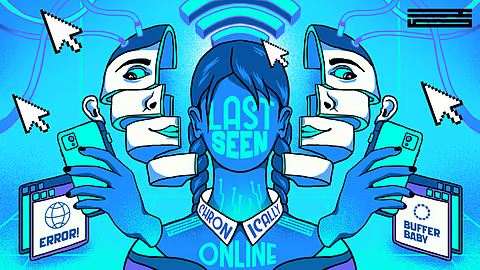
For many of us, growing up and logging in happened hand in hand. The internet was never merely a tool we used after homework; it became the backdrop of our friendships, creativity, learning, and identity. We didn’t just step into the digital world, we matured alongside it, becoming the first generation to navigate youth both online and offline.
A Generation Educated by the Screen
Long before words like “digital native” we were teaching ourselves skills that previous generations learned in classrooms or textbooks. Algebra was solved through animated videos, debates settled with a quick search, and interests in music, art, and languages explored via tutorials from across the globe.
Research reflects this reality. A 2022 Pew study found that 87% of teens use online platforms to pursue personal interests, learn new skills, or express creativity. For many of us, the internet was not a distraction from learning, it was an extension of it.
This early exposure fostered curiosity, problem-solving, and independence. Information was just a search away, and the ability to teach ourselves became second nature. It nurtured resourcefulness, adaptability, and a willingness to experiment.
Living in Public, Growing in Private
Yet growing up online also demanded emotional navigation. Each post, photo, or update created a digital record, turning social media into a stage for identity exploration. We learned to curate our presence, mastering when to post, how to caption, and what to share.
With this came pressure, the subtle yet persistent demand to present an idealized version of ourselves. We experienced both exhilaration and vulnerability:
The satisfaction of sharing content that resonates.
The sting of comparison against curated profiles.
The excitement of connecting across distances.
The fatigue of constant visibility.
Psychologists note that the internet amplifies the complexities of adolescence, highlighting the importance of emotional resilience and mindful engagement rather than avoidance.
Two Worlds, One Reality
A defining feature of our generation is the fluidity with which we move between online and offline spaces. Friendships spanned both, with inside jokes traveling from classrooms to group chats, and achievements celebrated in family settings and online stories alike.
Debates around “screen time” often miss the nuance. Research suggests that moderate, intentional use of technology supports social and emotional development more effectively than strict restrictions or unchecked exposure. For us, digital life was not about dependency, it was about adaptation.
Shaping the Platforms That Shaped Us
While the internet shaped our experiences, we also shaped it. We influenced trends, language, and the culture of digital spaces. Many launched small businesses, built audiences from their rooms, or mobilized around social causes. We became creators, entrepreneurs, activists, and journalists, sometimes without even intending to.
These experiences underscored a powerful lesson: our voices have reach, and digital communities can foster creativity, belonging, and meaningful engagement.
Not a Lost Generation, but a Connected One
It is easy to dismiss our generation as “too online,” yet such labels overlook the full picture. We are defined by creativity, adaptability, and connectedness, not escapism. We learned to navigate complexity, critically assess information, and engage with intention.
Challenges, of course, exist. Cyberbullying, misinformation, and privacy concerns have shaped parts of our online experience. Yet alongside these difficulties, we gained awareness, expressiveness, and interconnectedness. Our digital lives are integral to, not separate from, our real-world experiences.
As technology continues to evolve, we are not passive observers. We grow with it, question it, shape it, and redefine what it means to come of age in a digital era. This is a generation that is not lost, it is informed, connected, and capable of navigating a world where the digital and real coexist seamlessly.